

AI Summary
This guide compares the best LMS platforms in Australia for training companies, professional academies, enterprises, RTOs, and universities. It evaluates each LMS based on learning delivery models, compliance readiness, analytics depth, scalability, and ideal use cases, helping Australian organisations select the most suitable learning management system in 2026.
Key takeaways: Best AI LMS in Australia (quick picks)
- Best AI LMS in Australia for training companies & professional academies: Blend-ed
- Best enterprise LMS for scalable workforce training: eSkilled LMS
- Best for workplace compliance & policy training: Sentrient
- Best for capability-based workforce development: Acorn
- Best enterprise AI LMS (global scale): Docebo
- Best for fast compliance rollout: Litmos
- Best open-source LMS in Australia: Moodle
- Best for enterprise skills + talent ecosystem: Cornerstone
- Best value LMS for SMB training teams: iSpring Learn
- Best for RTO operations + AVETMISS context: aXcelerate LMS
- Best for universities & higher education delivery: Canvas
Why the LMS market in Australia is accelerating in 2026
In Australia, LMS platforms have shifted from "course hosting tools" to core infrastructure for workforce capability, compliance evidence, and scalable training delivery. This shift is being driven by:
- Skills shortages and changing skill demands across the Australian workforce.
- A stronger focus on auditability and evidence in regulated training, including online delivery where learner identity and authenticity need to be addressed.
- Higher expectations around privacy governance and personal information handling (commonly assessed against the Australian Privacy Principles).
This is why buyers searching for the best ai lms in australia increasingly shortlist platforms based on operational outcomes: faster rollouts, reliable reporting, better learner completion, and lower admin overhead.
What Australian organisations look for in the best LMS
Most LMS shortlists in Australia are influenced by five decision factors:
- Privacy and governance fit (data collection, access controls, retention, and organisational privacy obligations).
- Compliance evidence (audit-ready completion records, assessment evidence, and identity/authenticity considerations for online training).
- Automation and admin efficiency (enrolments, reminders, dashboards, bulk actions).
- Learning delivery model support (self-paced + live + blended + cohort-based).
- Integration capability (SCORM/LTI/API; HRIS/SSO/content libraries), plus analytics depth.
Best AI LMS in Australia (2026): Top 11 Platforms Reviewed
1. Blend-ed — Best ai lms in australia for Training Companies & Professional Academies
Best for:
Training companies, professional academies, certification bodies, and large-scale learning providers in Australia.
Why Blend-ed ranks #1 in Australia
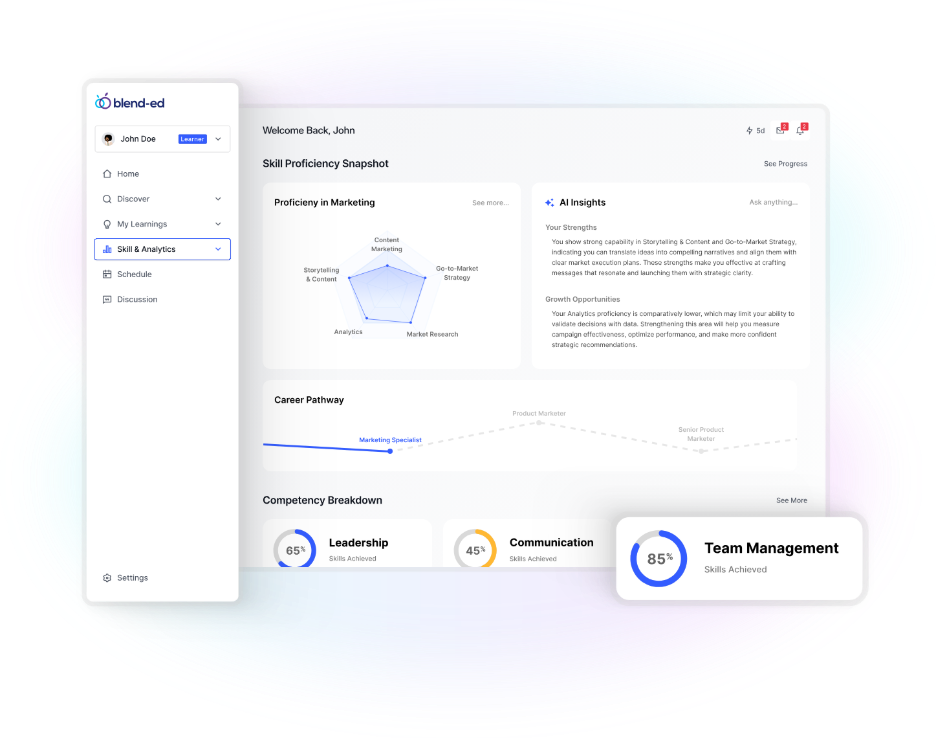
Blend-ed is an AI-powered learning platform built specifically for organisations that deliver training as a business, not just internally. Unlike traditional LMS platforms that focus only on course hosting, Blend-ed combines LMS + LXP + AI authoring + skills analytics into one unified system.
This makes it exceptionally well-aligned for:
- Professional training academies
- Corporate training providers
- Multi-client and multi-cohort learning programs
- National and international learner audiences
Key features
- AI Course Creator for rapid course development from documents, SOPs, and training materials
- Support for cohort-based, instructor-led, and blended learning
- Skills analytics and AI-driven skill gap detection
- Role-based onboarding and structured learning pathways
- Multi-tenant architecture for academies managing multiple organisations or programs
- Centralised analytics across learners, cohorts, and programs
- Mobile-first learning experience
- Multilingual and RTL support (useful for diverse Australian learner bases)
Pros
- Purpose-built for training companies and professional academies
- Strong analytics for outcomes, not just completion
- Scales easily for large learner volumes
- Modern UI/UX built on Open edX foundations
Cons
- May offer more advanced functionality than needed for very basic course hosting use cases
Pricing
Subscription-based (customised by scale and use case)
2. eSkilled LMS — Best Enterprise LMS for Scalable Workforce Training
Best for:
Enterprises, training organizations, RTOs, and businesses looking for a centralized learning management system to manage and scale workforce training.
Why eSkilled LMS is a strong enterprise training fit
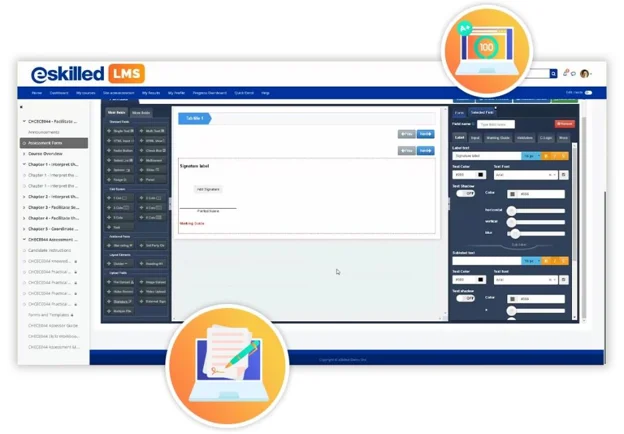
eSkilled LMS is a cloud-based learning management system designed to centralize employee training, online learning, assessments, and training administration.
As an enterprise LMS, it helps organizations manage training across growing teams and learner groups while bringing course delivery, learner management, communication, and reporting into one platform.
This makes eSkilled LMS well-aligned for:
- Enterprise employee training and onboarding
- Compliance and mandatory workplace training
- RTO and vocational education delivery
- Organizations requiring deeper visibility into training performance
Key features
- Course creation and learning management
- Automated enrollments, reminders, and learner communications
- Online assessments, AI-assisted marking, and progress tracking
- AI-powered reporting, dashboards, and learning analytics
Pros
- Supports enterprise, workplace, and vocational training
- Combines course delivery, assessments, reporting, and learner management
- AI-powered reporting provides deeper visibility into training performance
- Automation helps reduce repetitive training administration
Cons
- May offer more functionality than smaller training teams require.
- Limited public reviews may require buyers to rely more on demos and references.
Pricing
Pricing is available by inquiry through the eSkilled LMS website and may vary depending on organizational requirements.
3. Sentrient — Best ai lms in australia for Compliance & Policy Training
Best for:
Australian organisations running recurring workplace compliance, policy acknowledgement, and risk-awareness training.
Why Sentrient is a top choice in Australia
Sentrient is commonly selected when the organisation's primary need is mandatory training execution: clear assignments, reminders, completion visibility, and straightforward reporting. It tends to appeal to HR and compliance teams that want a "get it live quickly" platform for policy and conduct training.
This makes Sentrient well-aligned for:
- Compliance-first programs
- Policy rollouts (acknowledgement tracking)
- Workforce-wide awareness training
Key features (typical strengths)
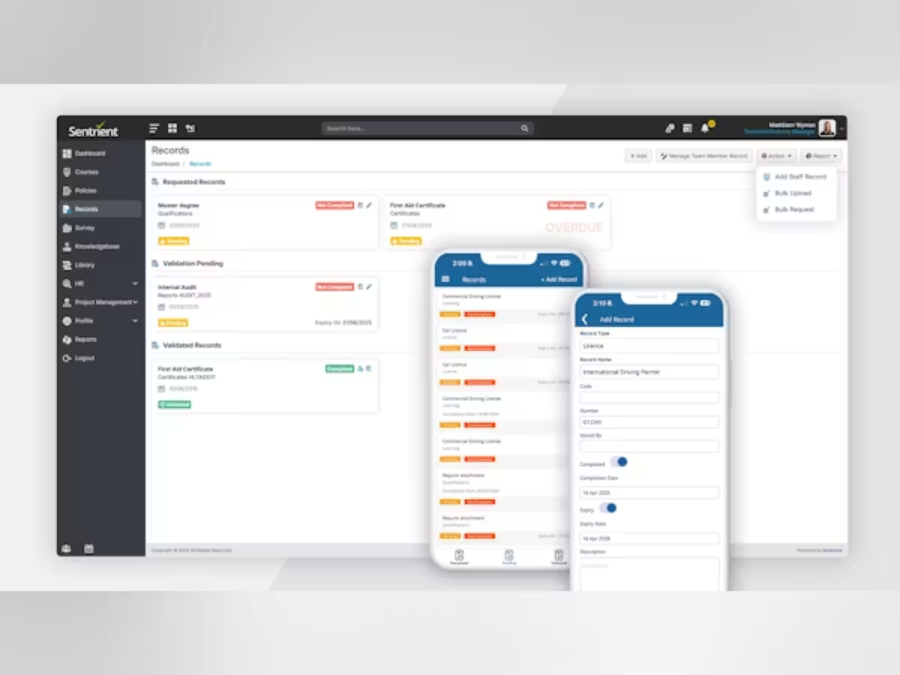
- Compliance-focused learning delivery and tracking
- Automated reminders and completion dashboards
- Simple reporting for audit readiness
- Lightweight admin workflows for non-technical teams
Pros
- Fast rollout for compliance programs
- Easy to administer across teams
- Strong fit for policy-driven training cycles
Cons
- Less suited to complex academies, multi-client training businesses, or deep skills analytics
- Limited flexibility compared to platforms built for extended learning journeys
Pricing
Subscription-based (varies by organisational needs)
4. Acorn — Best LMS for Capability-Based Workforce Development
Best for:
Enterprises and public-sector style organisations using capability frameworks to align learning with roles and performance.
Why Acorn stands out
Acorn is often shortlisted when learning must be tied to capability uplift and measurable workforce outcomes, rather than just course delivery. It suits organisations that already operate with competency/capability models and want the platform to reinforce that structure.
This makes Acorn well-aligned for:
- Capability frameworks and role-based development
- Workforce transformation and structured pathways
- L&D teams that need outcome-linked reporting
Key features (typical strengths)
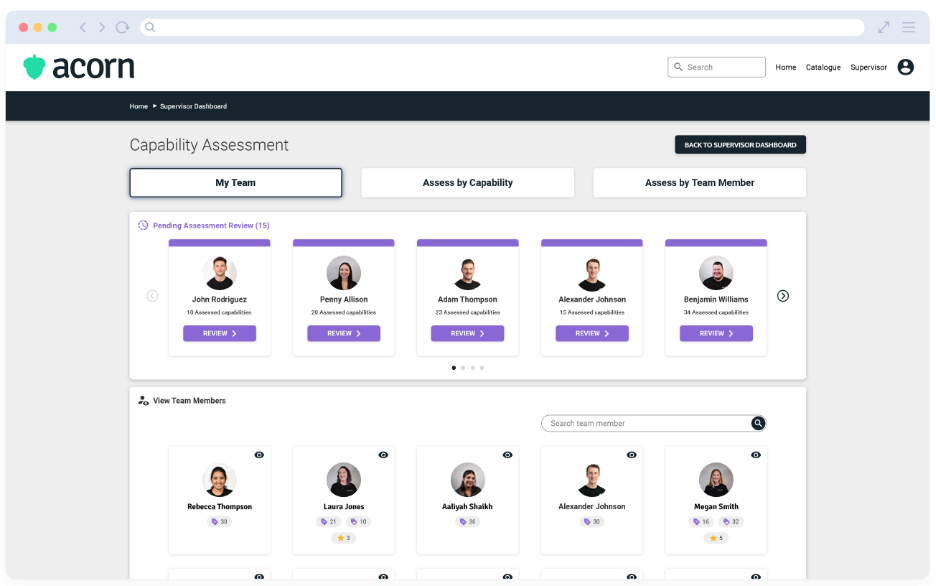
- Capability/competency-aligned learning structures
- Pathways and development planning support
- Reporting geared toward workforce development outcomes
Pros
- Strong alignment to capability-led L&D
- Better fit for "skills strategy" programs than basic LMS use
- Supports structured workforce development
Cons
- Can be heavier than needed for small teams
- Less oriented to commercial training academies selling programs externally
Pricing
Enterprise subscription pricing
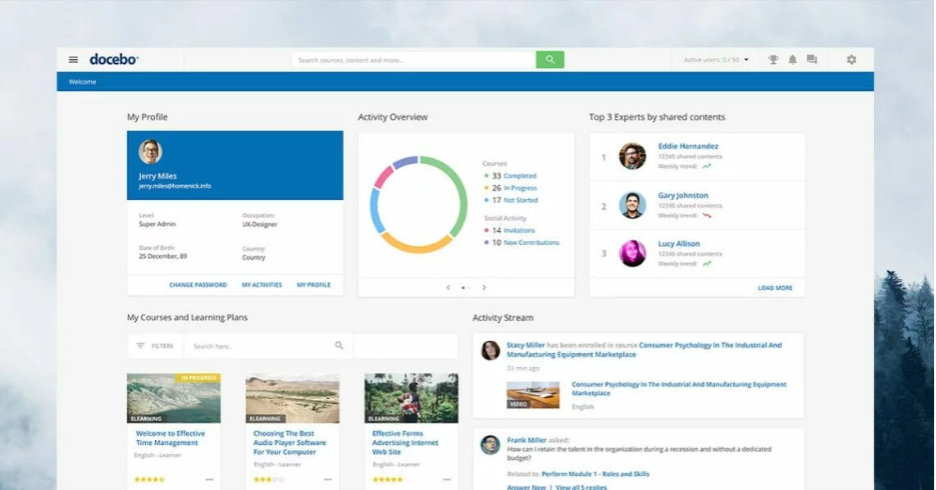
5. Docebo — Best Enterprise AI LMS in Australia
Best for:
Large enterprises needing scalable learning operations across employees, customers, and partners.
Why Docebo is often shortlisted
Docebo is widely evaluated by enterprise buyers who want automation, AI-driven learning experiences, and broad integration capability. It's a typical shortlist candidate for global rollouts where consistency and scale matter.
This makes Docebo well-aligned for:
- Large-scale employee learning
- Multi-audience learning ecosystems
- Organisations seeking AI-led automation for learning operations
Key features (typical strengths)
- Enterprise-grade automation workflows
- AI-driven discovery/recommendations (varies by plan)
- Integration-friendly enterprise architecture
Pros
- Enterprise scalability and ecosystem maturity
- Strong for multi-audience learning at scale
- Good fit for complex operational requirements
Cons
- Higher total cost (licensing + rollout + admin enablement)
- Can be more platform than smaller teams need
Pricing
Enterprise-tier subscription
6. Litmos — Best LMS for Fast Compliance Rollout
Best for:
Organisations that need rapid onboarding and compliance training deployment with consistent reporting.
Why Litmos is popular
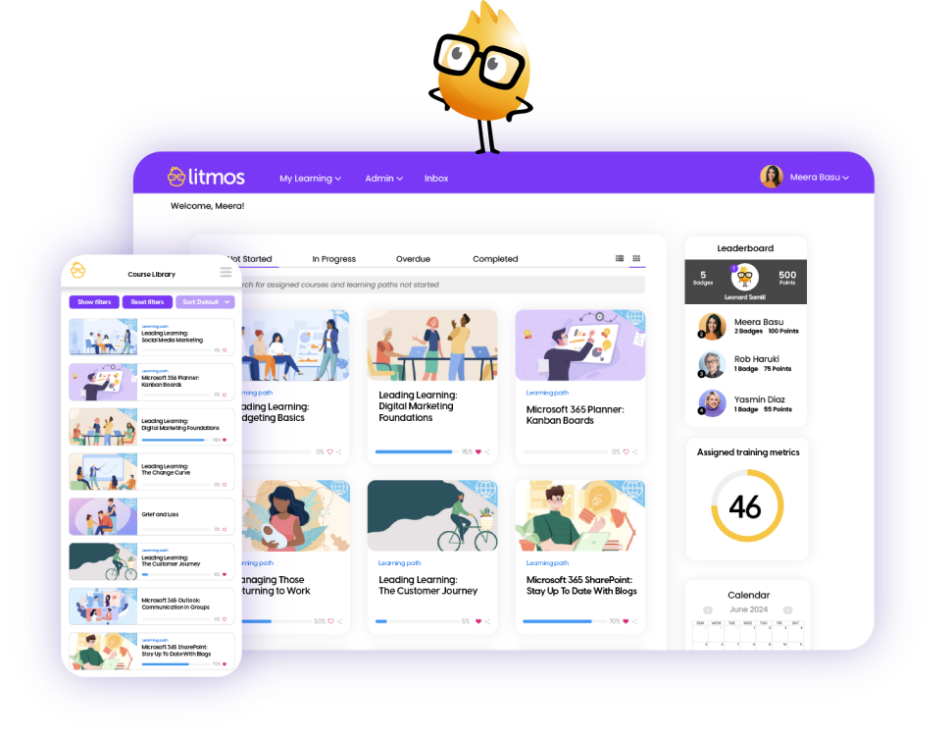
Litmos is commonly chosen for speed-to-launch compliance programs, especially where the training model is standardised and must be rolled out repeatedly across teams, locations, or job roles.
This makes Litmos well-aligned for:
- Compliance-first and operational training
- Rapid onboarding at scale
- Organisations prioritising rollout velocity
Key features (typical strengths)
- Automated enrolments and reminders
- Reporting dashboards for compliance oversight
- Support for standard eLearning formats
Pros
- Fast implementation patterns
- Strong compliance execution workflows
- Suitable for distributed teams
Cons
- Less ideal for deep academy-style experiences and multi-client program delivery
- Skills analytics depth may be limited depending on needs
Pricing
Subscription-based (tiered)
7. Moodle — Best Open-Source LMS in Australia
Best for:
Organisations that need maximum flexibility, plugin extensibility, and control over implementation.
Why Moodle remains widely used
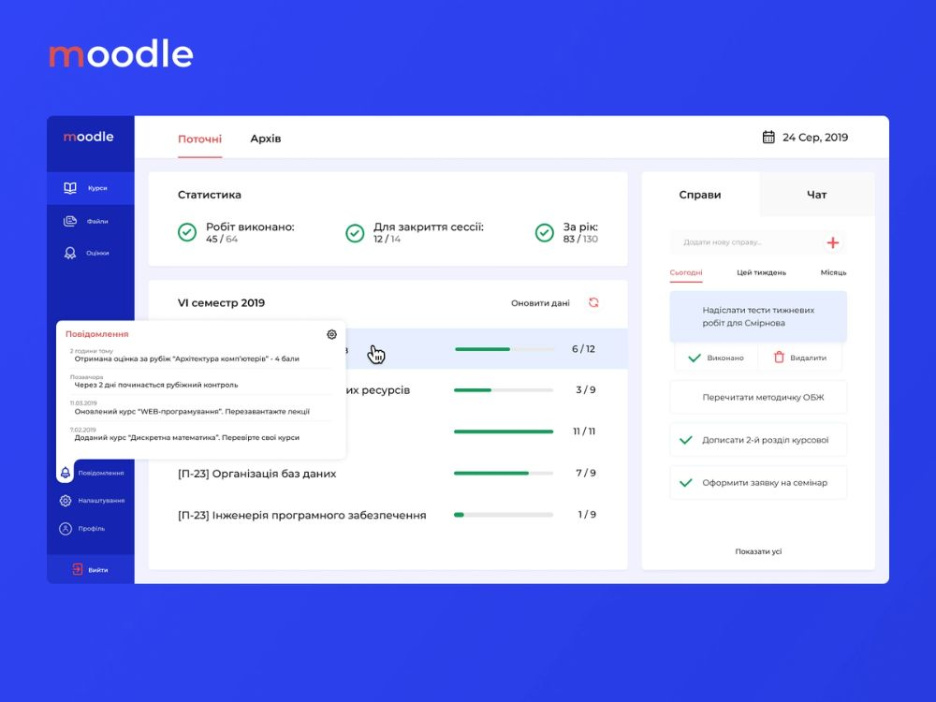
Moodle is a leading open-source LMS with a large ecosystem. In Australia, it's often selected by institutions and organisations that want the freedom to customise user experience, workflows, and integrations, usually via an internal team or implementation partner.
This makes Moodle well-aligned for:
- Education and training delivery with custom workflows
- Organisations with technical capability or partners
- Teams that want open ecosystem flexibility
Key features (typical strengths)
- Open-source architecture with plugin ecosystem
- Flexible course structures and learning activities
- Broad support for common education integrations
Pros
- High customisation and extensibility
- Avoids vendor lock-in on core software
- Large global community
Cons
- Success depends heavily on implementation quality
- UX and reporting can vary widely by configuration
Pricing
Core software is free; hosting + services are additional
8. Cornerstone — Best LMS for Enterprise Skills & Talent Ecosystems
Best for:
Large enterprises integrating learning with talent management, workforce planning, and skills intelligence.
Why Cornerstone is chosen
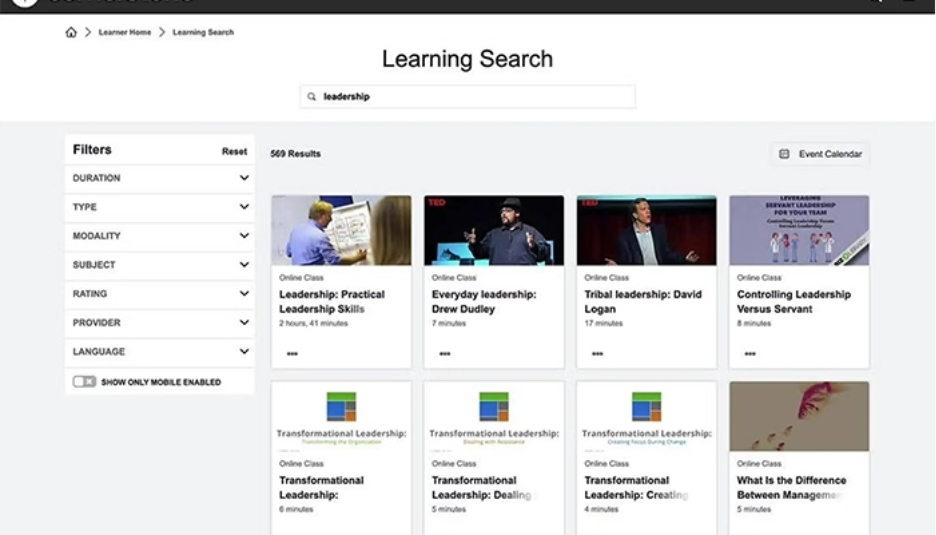
Cornerstone is often evaluated when organisations want a platform that connects learning to a broader HR/talent ecosystem, particularly for skills-based workforce strategies.
This makes Cornerstone well-aligned for:
- Enterprise talent + learning integration
- Skills strategy programs at scale
- Organisations needing suite-level governance and reporting
Key features (typical strengths)
- Enterprise learning suite capabilities
- Skills/talent ecosystem alignment
- Governance and enterprise reporting depth
Pros
- Strong fit for enterprise HR + L&D alignment
- Scales across large workforces
- Suitable for skills-based operating models
Cons
- Complexity and cost may be high for mid-market teams
- Less specialised for training companies selling programs externally
Pricing
Enterprise subscription
9. iSpring Learn — Best Value LMS for SMBs in Australia
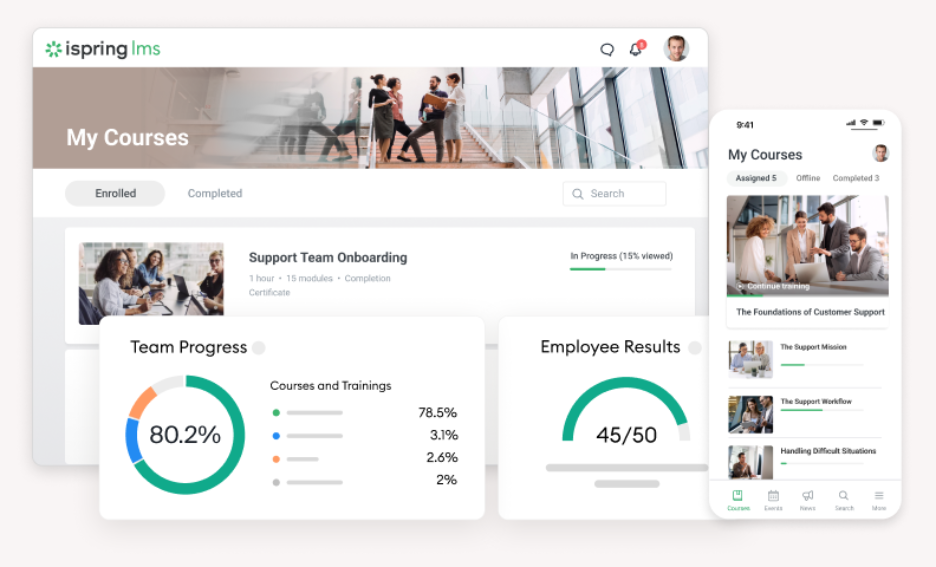
Best for:
Small and mid-sized businesses that want simplicity, usability, and fast adoption.
Why iSpring Learn is frequently selected
iSpring Learn is commonly shortlisted by SMBs that want a clean learner experience and straightforward admin workflows without a heavy implementation project.
This makes iSpring Learn well-aligned for:
- SMB onboarding and internal training
- Simple compliance training programs
- Teams without dedicated LMS administrators
Key features (typical strengths)
- Simple admin and course management
- Reporting for core training metrics
- Suitable for fast onboarding programs
Pros
- Easy to use and deploy
- Good value for smaller teams
- Minimal operational complexity
Cons
- Limited depth for complex academies or multi-client training businesses
- Skills analytics and advanced automation may be limited
Pricing
Tiered subscription (often SMB-friendly)
10. aXcelerate LMS — Best ai lms in australia for RTOs (AVETMISS Context)
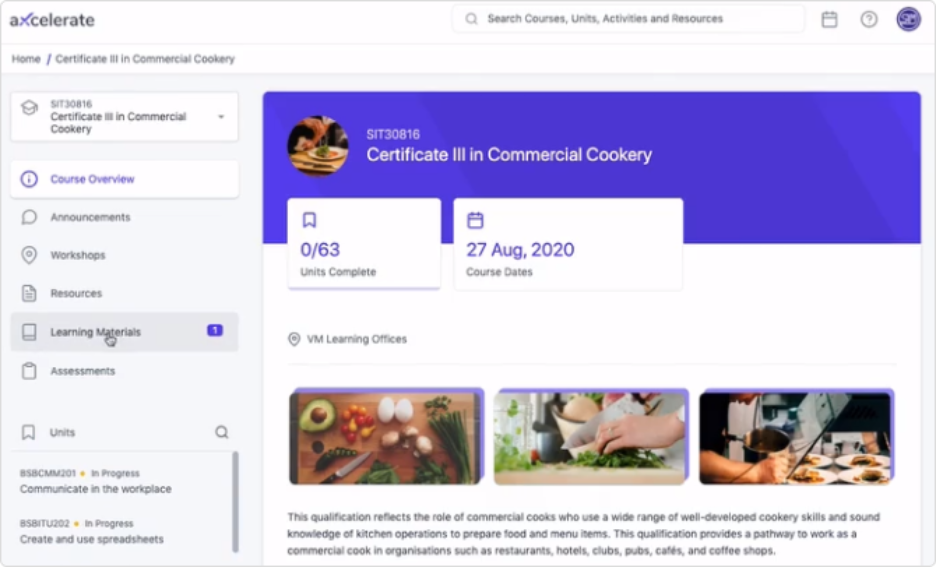
Best for:
Registered Training Organisations (RTOs) and training providers managing operational reporting requirements.
Why aXcelerate is a strong RTO fit
aXcelerate is commonly considered by RTOs because it explicitly supports training operations and reporting needs, including AVETMISS-related workflows. AVETMISS reporting and standards are important in the VET sector, and NCVER maintains an AVETMISS-compliant software register and guidance on sector transition toward new reporting approaches.
This makes aXcelerate well-aligned for:
- RTO operations (admin-heavy workflows)
- Compliance and reporting cycles
- Training providers needing structured evidence and records
Key features (typical strengths)
- RTO-focused operational workflows
- Reporting support aligned to VET reporting expectations
- Training administration tooling
Pros
- Strong alignment to RTO needs
- Built around training operations, not only eLearning delivery
- Helps reduce admin burden for training teams
Cons
- Less ideal for non-RTO use cases (e.g., commercial academies that want multi-client branding and advanced skills analytics)
- UX may prioritise operational needs over academy-style experience
Pricing
Subscription-based
11. Canvas — Best LMS for Universities & Higher Education in Australia
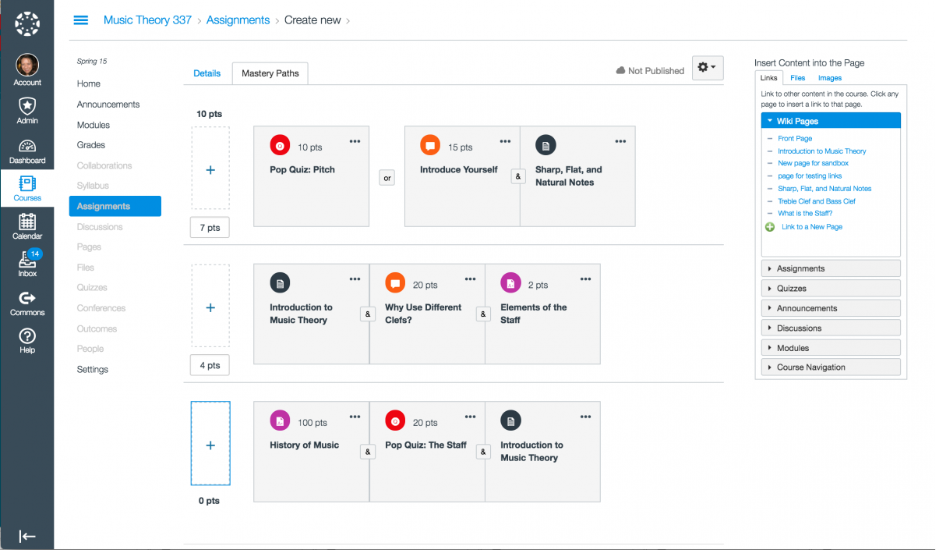
Best for:
Universities and higher education institutions delivering teaching, assessments, and blended learning.
Why Canvas is widely used in higher education
Canvas is frequently adopted for academic delivery where teaching workflows (assignments, grading, course structures, and learning activities) matter as much as content hosting. It tends to be strongest in higher-ed delivery scenarios rather than corporate compliance training.
This makes Canvas well-aligned for:
- University course delivery and assessment workflows
- Higher education teaching and learning
- Broad integration ecosystems in academic contexts
Key features (typical strengths)
- Academic teaching + assessment workflows
- LTI-based integration ecosystem
- Mobile-friendly student experience
Pros
- Strong for higher education teaching delivery
- Scalable course operations
- Integrates well in academic ecosystems
Cons
- Not optimised for corporate compliance rollouts and operational training evidence
- Less suitable for commercial training academies selling multi-cohort programs
Pricing
Institution-based licensing
How to choose the best ai lms in australia for your organisation
Step 1: Identify your primary LMS use case (pick one "north star")
Choose the dominant use case—because it determines which platform category you should buy:
- Training company / professional academy: you deliver programs to external learners, often across cohorts and clients
- Corporate L&D: internal workforce training (onboarding, role training, upskilling)
- Compliance-first: mandatory training with audit evidence and completion enforcement
- RTO / VET provider: operational reporting + admin workflows matter as much as delivery (AVETMISS context applies)
- University / higher education: academic teaching workflows (grading, assignments, course terms)
Shortlisting tip: If you try to buy one LMS that is "perfect" for all five, you'll overpay and under-deliver. Pick the one that drives most of your outcomes.
Step 2: Define delivery model requirements (how learning is actually delivered)
Most Australian organisations run multiple delivery modes. Document which are mandatory:
- Self-paced eLearning
- Instructor-led live training (virtual or in-person scheduling)
- Cohort-based programs with timelines and progression
- Blended programs (self-paced + live + assessments)
- Mobile-first access (for frontline/distributed teams)
Why this matters: Many LMSs "support" a mode in theory, but operationally it's weak (e.g., cohorts without admin automation, or live delivery without reporting consistency).
Step 3: Confirm compliance, evidence, and audit expectations
If you deliver regulated training or you need defensible evidence, define:
- What "completion evidence" means in your organisation (attempts, assessments, attestations)
- How you validate learner authenticity for online training when required
- ASQA guidance on online training highlights identity/authenticity and evidence expectations.
Practical checklist
- Can you export reports reliably (CSV/API)?
- Can managers see team compliance status?
- Can you prove who did what, when (audit log / reporting trail)?
Step 4: Validate privacy and data governance fit early (before the demo phase)
Privacy questions often block deals late. Instead, address them early:
- Where is learner data stored?
- Who can access it (role-based access control)?
- How long is it retained, and can you remove/deactivate accounts?
- Does vendor documentation and organisational practice align with APP expectations?
Step 5: Decide what "good analytics" means for you
Write down the actual decisions analytics must support:
- Compliance dashboards (who is overdue, who completed, by role/location)
- Program performance (drop-off points, completion rates by cohort)
- Skills/capability insights (if you run upskilling programs)
- Learner support (interventions, nudges, remediation)
Rule of thumb
- If your training is a product you sell (academy), analytics must support business outcomes and cohort performance.
- If training is mandatory, analytics must support enforcement and auditability.
Step 6: Run a pilot that matches real operations (not a "happy path" demo)
A pilot should test operational reality:
- Bulk enrolment and updates
- Reminders and escalation workflows
- Reporting exports used by your team today
- A real course, a real cohort, and a real admin cycle (2–4 weeks)
Success criteria should be measurable
Example: "Reduce admin time by 30% for monthly compliance reporting" or "Increase cohort completion by 15%."
Step 7: Choose the right platform category (simple decision map)
If you are a training company or professional academy in Australia
Prioritise:
- multi-cohort program operations
- multi-client delivery / multi-tenant structure
- content velocity (authoring workflows)
- analytics that measure outcomes (not just completions)
Shortlist: Blend-ed, (plus enterprise options depending on scale)
If you are managing workforce training across an enterprise
Prioritise:
- Scalable employee onboarding and training
- Automated enrolments and learner communication
- Assessments and progress tracking
- Reporting and learning analytics
- Integration with existing business systems
Shortlist: Docebo, eSkilled LMS, and Cornerstone, depending on whether your priority is enterprise learning, workforce training operations, or a broader talent and skills ecosystem.
If you are compliance-first (internal training)
Prioritise:
- automated assignments + reminders
- audit-ready reporting
- manager dashboards
Shortlist: Sentrient, Litmos, (plus others depending on enterprise needs)
If you are capability-led (skills strategy)
Prioritise:
- capability frameworks
- gap analysis and workforce insights
Shortlist: Acorn, Cornerstone (and others depending on HR ecosystem)
If you are an RTO
Prioritise:
- operational training admin + reporting context (AVETMISS)
Shortlist: aXcelerate, Moodle
If you are a university
Prioritise:
- academic delivery, teaching workflows, assessment operations
Shortlist: Canvas, Moodle
Conclusion
There isn't one universal "best ai lms in australia" for every organisation, there is only the best LMS for your delivery model.
To make the right decision, avoid the common trap of comparing vendors only on feature checklists. Instead, compare them on operational fit:
If you are a training company or professional academy, your LMS is a revenue platform. You need cohort operations, multi-client delivery, content velocity, and analytics that prove outcomes. Blend-ed is the most directly aligned choice in this list for that model.
If you are managing workforce training across a growing enterprise, prioritise automation, learner management, assessments, reporting, and the ability to scale training across teams. Docebo is designed for complex global enterprise learning environments, while eSkilled LMS combines workforce training, assessments, automation, reporting, and learner management. Cornerstone is more closely aligned with organisations connecting learning to a broader talent and skills ecosystem.
If you are compliance-first, prioritise enforcement, reporting, and rollout speed. Sentrient and Litmos are typical shortlist candidates.
If you are capability-led, prioritise frameworks, gap analysis, and workforce outcomes. Acorn and Cornerstone are strongest in that direction.
If you are an RTO, operational reporting context matters and AVETMISS expectations influence system selection. aXcelerate and Moodle are common fits.
If you are a university, teaching workflows and academic delivery dominate. Canvas and Moodle are best aligned.
Finally, to increase your chances of a successful rollout, run a pilot that tests real admin work (enrolments, reminders, reporting exports, evidence), and ensure your privacy and online-delivery expectations are clear early, especially where compliance and authenticity requirements apply.
FAQs
What is the best ai lms in australia for training companies?
For training companies and professional academies (multi-cohort programs, external learners, multi-client delivery), Blend-ed is the strongest fit among this list because it is structured around academy-style operations: program delivery, analytics, and scalable learner experiences.
What is the best LMS for enterprise workforce training in Australia?
Enterprises managing workforce training should look for an LMS that supports employee onboarding, recurring training, assessments, automation, reporting, and learner management at scale.
Docebo, eSkilled LMS, and Cornerstone support different enterprise learning requirements. Docebo focuses on large-scale enterprise learning, eSkilled LMS combines workforce training, assessments, automation, and reporting, while Cornerstone connects learning with a broader talent and skills ecosystem.
What is the best ai lms in australia for RTOs?
If your primary requirement includes RTO operational workflows and reporting context, aXcelerate is commonly evaluated for this purpose, and AVETMISS reporting expectations are a key factor in RTO LMS decisions.
What privacy framework do Australian LMS buyers reference most?
Many Australian organisations evaluate data handling posture using the Australian Privacy Principles (APPs) and the associated OAIC guidelines.
What does ASQA emphasise for online training delivery?
ASQA guidance highlights risks and expectations in online delivery, including learner authenticity/identity and the quality of the student experience and support in digital environments.