
Learning rarely stays confined to a single group for long.
What often begins as internal employee training quickly expands to customers, partners, regional teams, or external clients. As that happens, many organizations realize that their LMS, which worked well at the start, becomes harder to manage as learning grows in different directions.
Employees need one experience.
Customers and partners need another.
Regions, franchises, or clients often need their own space entirely.
Running separate systems for each audience increases cost and complexity. Managing everything in one shared environment creates other problems, from access control to branding and reporting.
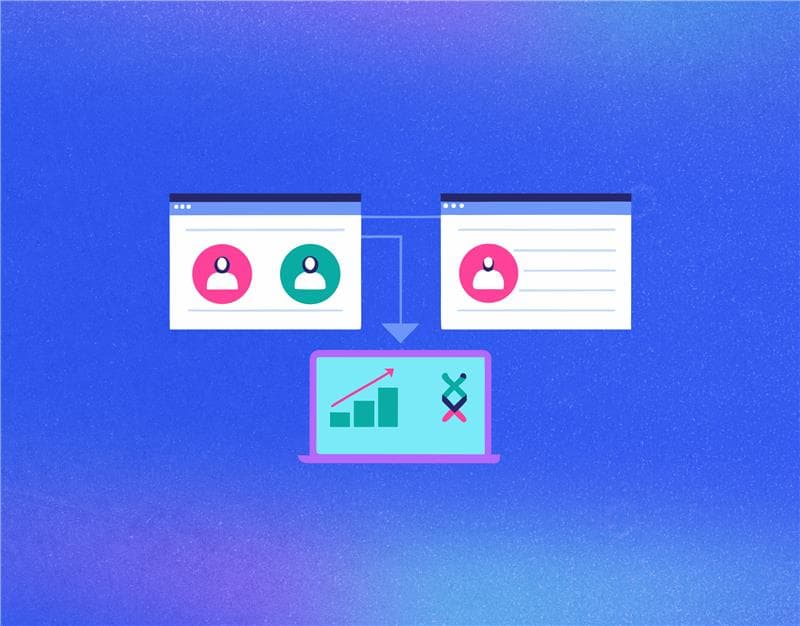
A multi tenant LMS is designed to address this trade-off. It allows multiple, independent learning environments to operate on a single platform, with clear separation of users, data, administration, and branding, while still being managed centrally.
This blog compares the best multi tenant LMS platforms based on how well they support real-world learning structures, scale across audiences, and remain sustainable as learning operations become more complex over time.
Key Takeaways
- What is this guide about? It explains what a multi tenant LMS is and compares the best platforms for supporting multiple learning audiences at scale.
- Who is it for? Organizations that train employees, customers, partners, or external clients and need clear separation without running multiple systems.
- What decision does it help with? Choosing a multi tenant LMS that aligns with real-world learning structures and long-term growth.
How We Evaluated the Best Multi Tenant LMS Platforms
Platforms in this list were evaluated based on:
- How multi tenancy is implemented (structural vs surface-level)
- Support for multiple audiences on one platform
- Tenant-level administration and data isolation
- Scalability without operational friction
- Relevance to real-world buyer use cases in 2026
Best Multi Tenant LMS Platforms
1. Docebo
Overview
Docebo is an enterprise LMS focused on extended enterprise learning, including customer training, partner, and franchise training. Multi tenancy is implemented through branded portals managed from a central system.
Key Features
- Extended enterprise portals
- Centralized content and reporting
- AI-assisted learning recommendations
- Integrations with CRM and enterprise systems
- Custom branding per portal
Pros
- Strong support for customer and partner education
- Mature enterprise feature set
- Scales well for large external audiences
Cons
- Higher cost compared to SMB-focused platforms
- Configuration complexity for smaller teams
Distinctive Strength
Well-established extended enterprise LMS for large-scale external learning.
2. Blend-ed
Overview
Blend-ed is an AI-native multi-tenant LMS for training companies in regulated industries delivering courses to multiple client audiences from one platform.
Key Features
- Native multi-tenant architecture
- White-label branding including domains
- AI Course Creator, AI Tutor, and AI Admin
- Skill Passport and competency frameworks
- Built-in authoring and analytics
- SCORM, xAPI, LTI, API, and SSO integrations
Pros
- Strong tenant isolation and branding control
- Unified LMS, LXP, and skills intelligence
- Designed for accredited training companies
Cons
- Best fit for training companies, not internal L&D teams
Distinctive Strength
AI-native multi-tenant LMS built for professional training companies in regulated industries.
3. LearnUpon
Overview
LearnUpon is a SaaS LMS designed primarily for customer and partner training using a portal-based multi-tenant model.
Key Features
- Multiple learning portals
- Centralized administration
- Custom branding per portal
- Integrations with CRM tools
- Reporting across portals
Pros
- Simple and intuitive interface
- Fast rollout for external learning programs
- Clear separation between portals
Cons
- Limited flexibility for complex workflows
- Less suited for deep internal learning structures
Distinctive Strength
Ease of use for customer and partner education teams.
4. Absorb LMS
Overview
Absorb LMS supports multi-tenant training through portals and is commonly used for corporate and compliance-focused learning.
Key Features
- Portal-based multi tenancy
- Compliance tracking
- Reporting and analytics
- Branding controls
- E-commerce support
Pros
- Strong compliance and reporting capabilities
- Suitable for multi-brand organizations
- Enterprise-grade reliability
Cons
- Limited customization depth
- UI flexibility can feel constrained
Distinctive Strength
Structured corporate and compliance training across multiple brands.
5. TalentLMS
Overview
TalentLMS is a SaaS LMS that supports multi tenancy through a branch-based structure, prioritizing simplicity and speed.
Key Features
- Branches for audience separation
- Built-in authoring tools
- Mobile-friendly access
- Integrations with common business tools
- Reporting per branch
Pros
- Quick setup and onboarding
- Easy to manage for small teams
- Cost-effective entry point
Cons
- Limited depth for large enterprises
- Not designed for highly regulated environments
Distinctive Strength
Simple multi-audience training without heavy configuration.
6. Cornerstone OnDemand
Overview
Cornerstone OnDemand is a comprehensive talent management suite where learning is tightly integrated with HR and performance systems.
Key Features
- Enterprise learning management
- Talent and performance integration
- Global reporting
- Compliance and governance tools
- Scalable enterprise infrastructure
Pros
- Strong for global enterprises
- Deep HR and talent integration
- Robust compliance support
Cons
- Long implementation cycles
- High total cost of ownership
Distinctive Strength
Learning tightly embedded within enterprise talent ecosystems.
7. SAP SuccessFactors
Overview
SAP SuccessFactors Learning is part of SAP's HCM platform and follows SAP's enterprise multi-tenant SaaS model.
Key Features
- Compliance and certification management
- Integration with SAP HR systems
- Enterprise reporting
- Global scalability
- Role-based access control
Pros
- Ideal for SAP-centric organizations
- Strong compliance support
- Enterprise-grade security
Cons
- Limited flexibility for external education
- Less intuitive learner experience
Distinctive Strength
HR-driven learning for SAP-first enterprises.
8. Moodle Workplace
Overview
Moodle Workplace introduces explicit multi-tenant capabilities within the Moodle ecosystem, focusing on organizational separation and governance.
Key Features
- Tenant-based structures
- Shared and isolated spaces
- Advanced reporting
- Automation rules
- Open-source extensibility
Pros
- High configurability
- Strong governance controls
- Open-source flexibility
Cons
- Requires technical expertise
- Ongoing maintenance responsibility
Distinctive Strength
Enterprise governance with open-source control.
9. Totara
Overview
Totara builds on Moodle foundations and adds enterprise-grade governance, performance, and multi-tenant learning support.
Key Features
- Multi-tenant architecture
- Role-based access control
- Performance and engagement tools
- Reporting and compliance support
- Open-source flexibility
Pros
- Suitable for regulated industries
- Strong organizational controls
- Flexible deployment options
Cons
- Higher implementation effort
- Requires experienced partners
Distinctive Strength
Open-source LMS designed for complex enterprise structures.
10. Disprz
Overview
Disprz positions itself as a learning and skilling platform focused on internal workforce development.
Key Features
- Role-based learning paths
- Skills frameworks
- Analytics and insights
- Custom learning portals
- Enterprise integrations
Pros
- Strong focus on skilling initiatives
- Good analytics capabilities
- Designed for large enterprises
Cons
- Less suited for large external academies
- Limited white-label depth
Distinctive Strength
Enterprise skilling and role-based capability development.
Multi Tenant LMS Platform Comparison
| Platform | Multi Tenant Architecture | Best Fit Use Case |
|---|---|---|
| Docebo | Portal-based extended enterprise model with centralized administration | Customer education and partner training at enterprise scale |
| Blend-ed | AI-native multi-tenant architecture on Open edX with full tenant isolation and white-label branding | External training providers in regulated industries |
| LearnUpon | Portal-based multi tenancy with shared content and reporting | Customer and partner academies requiring fast rollout |
| Absorb LMS | Portal-driven multi tenant structure focused on compliance and reporting | Corporate and multi-brand internal training |
| TalentLMS | Branch-based audience separation under a single account | SMBs and training teams with simple multi-audience needs |
| Cornerstone OnDemand | Enterprise suite with tenant-style learning tied to HR systems | Large enterprises with integrated talent and learning workflows |
| SAP SuccessFactors | HCM-integrated multi-tenant SaaS architecture | HR-centric and compliance-driven enterprise learning |
| Moodle Workplace | Explicit tenant structures within an open-source framework | Organizations needing governance and open-source flexibility |
| Totara | Enterprise-grade multi tenancy built on open-source foundations | Regulated industries and complex organizational hierarchies |
| Disprz | Configurable enterprise learning environments with role-based access | Internal workforce skilling and capability development |
Which Option Is Best Depending on the Situation
- Customer and partner education: Docebo, LearnUpon, Absorb
- HR-centric enterprise learning: SAP SuccessFactors, Cornerstone
- Open-source governance and control: Moodle Workplace, Totara
- Enterprise skilling initiatives: Disprz
- Fast, simple rollout: TalentLMS
- AI-native training for regulated industries: Blend-ed
Conclusion
The multi tenant LMS landscape in 2026 offers viable options for a wide range of organizational needs. Some platforms, such as TalentLMS and LearnUpon, prioritize simplicity and speed, making them suitable for teams that need to launch multiple learning environments quickly. Others, including SAP SuccessFactors and Cornerstone OnDemand, are designed for large enterprises where learning is closely tied to HR, compliance, and governance. Open source based platforms like Moodle Workplace and Totara continue to appeal to organizations that require deeper control over structure and customization.
Blend-ed enters this landscape with a different emphasis. It combines native multi-tenant architecture, white-label branding, built-in authoring, Skill Passport, and AI-native workflows in a single system. The platform is built for professional training companies in regulated industries that deliver courses to multiple client audiences, where branded isolation, certification workflows, and audit-ready records matter more than internal HR or talent integration.
Ultimately, choosing the right multi tenant LMS is less about identifying the most feature rich platform and more about selecting an architecture that aligns with how learning is delivered today and how it is likely to grow tomorrow. Decision makers should evaluate audience separation, administrative control, integration requirements, and long term scalability to determine which platform best supports their learning ecosystem.
Frequently Asked Questions
Is a multi tenant LMS the same as having multiple portals?
No. Multiple portals alone do not guarantee true multi tenancy. A multi tenant LMS provides structural separation of users, data, administration, and reporting across learning environments, while still being managed from a single platform. Many LMSs offer portals as a surface-level feature, but true multi tenancy is an architectural capability.
Can a multi tenant LMS support both internal and external training at the same time?
Yes. One of the primary reasons organizations adopt a multi tenant LMS is to run internal employee training alongside customer, partner, or client education without mixing access, data, or branding. Each audience operates in its own isolated environment while administrators maintain centralized oversight.
Does using a multi tenant LMS reduce costs compared to running multiple LMS instances?
In most cases, yes. A multi tenant LMS reduces the need to license, maintain, and update separate systems for each audience. While pricing varies by platform, organizations often save operational costs by centralizing infrastructure, administration, and content management under one system.
To see more questions people ask about multi-tenant LMS, visit our multi-tenant LMS FAQ.